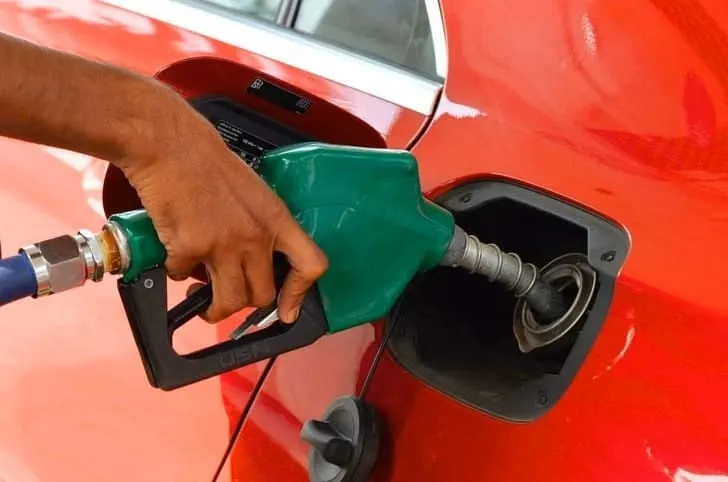
Govt Amends Motor Vehicle Rules to Allow E100 Flex-Fuel Cars
The Ministry of Road Transport and Highways (MoRTH) has amended the Central Motor Vehicles Rules, 1989 to formally recognise E100 fuel — that is, 100% ethanol — for flex-fuel vehicles in India. The change clears the regulatory path for cars and bikes engineered to run on petrol-ethanol blends all the way up to pure ethanol.
What the amendment does
The amendment updates three technical areas of the rules:
- Vehicle classification thresholds — so flex-fuel models can be type-approved under the right category.
- Fuel specifications — E100 is now an approved, recognised fuel for flex-fuel engines.
- Technical references in emission tables and testing — the emission-testing framework is updated to account for high-ethanol blends.
What a flex-fuel vehicle actually is
A flex-fuel vehicle is designed and certified to run on any blend of petrol and ethanol — from standard petrol to E20 (20% ethanol) and, under the new rules, up to E100 (100% ethanol). The same engine automatically adjusts to whatever blend is in the tank, which is the appeal for reducing dependence on fossil-fuel imports.
E20 vehicles unaffected
MoRTH has clarified that vehicles certified for E20 are not affected by this amendment — the change simply adds E100 as a recognised option for manufacturers who want to build and sell full flex-fuel models.
Why it matters
Ethanol is a home-grown, renewable fuel, and pushing blends higher (E20 today, E100 for flex-fuel models) is a core part of India’s strategy to cut crude-oil imports and support the sugarcane-farming economy. For buyers, flex-fuel models offer a future-proof option that can run on whatever ethanol blend is available at the pump.